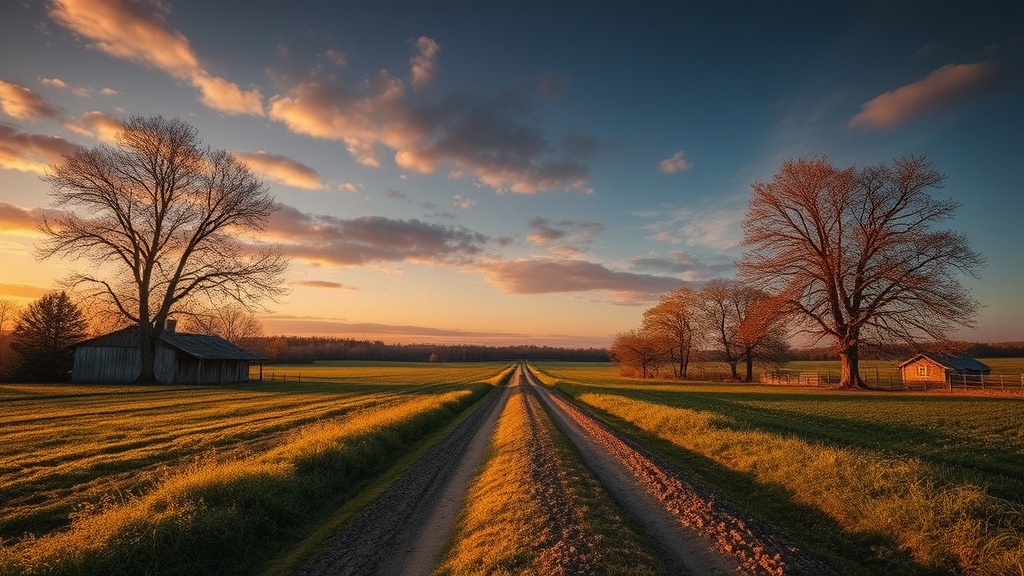
Metcalfe Uncovered: A Local's Guide to Rural Ottawa South Living

This post covers everything from housing prices and commute times to the best local spots for breakfast and where to pick up fresh produce straight from the farm. Whether you're considering a move from downtown Ottawa or just curious about life beyond the Greenbelt, you'll find honest insights about what makes this rural community tick — and what quirks might catch you off guard.
Is Metcalfe a good place to live for Ottawa commuters?
Yes, but with a few caveats. The drive to downtown Ottawa takes roughly 25 to 35 minutes depending on traffic and exactly where you're starting from in Metcalfe. Bank Street runs straight north into the city core, making the route blessedly simple — no complex highway interchanges to worry about during winter storms. That said, you'll want to factor in the Bank Street Bridge construction schedules (they seem to happen every other year) and the occasional tractor slowing traffic during planting season.
Most residents keep two vehicles. Public transit exists — OC Transpo Route 70 serves the area — but service is limited compared to urban Ottawa. The park-and-ride at South Keys becomes a lifesaver for many. You'll find yourself batching errands, combining grocery runs with trips to Canadian Tire or picking up mail from the community mailbox on your way home from work.
The trade-off? Lower blood pressure. No neighbor's stereo thumping through apartment walls. Stars you can actually see at night. For many, those twenty extra minutes in the car feel like a fair exchange.
What are housing prices like in Metcalfe compared to Ottawa?
Significantly lower — though "affordable" means something different in 2026 than it did five years ago. As of early 2026, detached homes in Metcalfe typically list between $650,000 and $850,000, depending on lot size and condition. Compare that to Ottawa's average detached home price hovering around $750,000 to $950,000, and the savings become obvious. The catch? Inventory moves fast when good properties hit the market.
You'll notice the lots are bigger out here — often half an acre to several acres versus the narrow city strips. Septic systems replace municipal sewers (budget for pumping every few years). Wells provide water instead of city pipes (test annually for bacteria and nitrates). These aren't drawbacks necessarily, just differences that require a shift in thinking.
Here's a snapshot of what your money buys:
| Property Type | Metcalfe Price Range | Ottawa Urban Comparable |
|---|---|---|
| 3-bedroom detached bungalow | $620,000 - $750,000 | $780,000 - $950,000 |
| 4-bedroom two-storey with garage | $750,000 - $920,000 | $950,000 - $1,200,000 |
| Vacant land (1 acre) | $150,000 - $250,000 | Rare or $400,000+ |
| New construction (detached) | $800,000 - $1,100,000 | $1,000,000 - $1,400,000 |
Property taxes run lower too — roughly $3,500 to $5,500 annually for most homes versus $5,000 to $8,000 for comparable Ottawa properties. (Worth noting: rural properties sometimes face additional fire protection fees depending on exact location.)
Where do locals actually shop and eat in Metcalfe?
The dining scene won't compete with Wellington West or the ByWard Market — and that's exactly how residents like it. Johnny's Snack Bar on Victoria Street serves breakfast plates that could feed two people, with coffee that tastes like it was brewed in 1987 (in a good way). Kenny's Pizza has been making pies since before most current residents were born — the pepperoni is greasy, the crust has the right crunch, and nobody's trying to reinvent anything.
For groceries, Larry's Your Independent Grocer anchors the small commercial strip. It's not Loblaws — shelves sometimes have gaps, and you won't find thirteen types of almond milk — but the staff recognize regulars and will special-order items if you ask. Most families supplement with monthly Costco runs to Barrhaven or weekly trips to the Lansdowne Farmers' Market for produce you can't get at chain stores.
Summer changes everything. Roadside stands pop up along 8th Line Road and Snake Island Road — corn picked that morning, tomatoes that taste like tomatoes, honey from hives you can see from your car window. The Metcalfe Farmers' Market runs Saturdays at the community centre from May through October. Vendors sell everything from artisanal sourdough to locally-raised pork. Cash still rules at many stalls.
The hardware store — Hartwick's Home Hardware — stocks items the big boxes forgot people still need. Window pulleys for century homes. Specific cotter pins. Advice on fixing things rather than replacing them.
Are the schools in Metcalfe any good?
Solid, if not flashy. Metcalfe Public School serves JK through Grade 6 and maintains smaller class sizes than most urban Ottawa schools — often 20 to 24 students versus 28 to 30. The playground backs onto fields where kids can actually run. Castor Valley Elementary handles the southern part of the catchment with similar results.
For intermediate and secondary, students attend Osgoode Township High School — a mid-sized school with strong agricultural and trades programs alongside standard academics. (The greenhouse program produces seedlings that sell out every spring.) Post-secondary acceptance rates match provincial averages, though university-bound students sometimes transfer to specialized programs in urban Ottawa for senior courses.
French immersion exists but requires bussing to specific schools. Catholic options fall under the Ottawa Catholic School Board — St. Catherine's in nearby Metcalfe handles elementary, with high school students travelling to St. Mark's or St. Francis Xavier.
Extracurriculars lean heavily into hockey, soccer, and baseball — the Metcalfe Jets minor hockey association is a community institution. Dance studios, martial arts, and music lessons exist but require driving. Parents become expert schedulers.
What's the catch? What should you know before moving?
Internet service varies wildly by exact address. Some homes get reliable fiber. Others limp along with LTE hubs or satellite — workable for email, frustrating for video calls. Check coverage maps (and knock on neighbors' doors) before buying.
Winter hits different. The municipality plows main roads promptly, but your driveway is your problem. A quality snowblower — the Honda HSS928 or comparable Ariens models — isn't optional for most properties. Driveway length matters more than you think.
Septic systems fail. Wells run dry during drought years. Power outages last longer when you're not on the urban grid — a generator isn't paranoia, it's preparation. Wildlife encounters are real — coyotes, deer, the occasional bear. Garbage goes in secure containers, not loose bags.
Social life requires effort. You won't bump into friends at the coffee shop because there isn't one (not a Starbucks anyway). Community happens at the hockey rink, the church basement, the volunteer fire department hall. Introverts thrive here. Extroverts need to join things intentionally.
The land changes you. You'll find yourself noticing weather patterns, calculating daylight, respecting the rhythm of planting and harvest. It's slower. Sometimes frustratingly so. But there's a steadiness to it — mornings where mist hangs over the fields, evenings where the only sound is wind in the corn. That peace comes with responsibilities city dwellers don't face. You'll decide if the trade suits you.