
The One Simple Habit That Makes Living in Rural Ontario Feel Effortless

Quick Tip
Create a consistent weekly errand loop to reduce stress, save fuel, and make rural living feel effortless.
Tip: Build a weekly “local loop” — a simple, repeatable circuit of errands, stops, and small rituals that keeps your life running smoothly without constant planning.
People overcomplicate rural living. They imagine endless driving, forgotten errands, and that constant low-grade stress of realizing you’re out of milk… again. The truth? Life out here only feels hard if you treat every task like a one-off mission.
The fix is almost boring in its simplicity: stop reacting, start looping.

What a “Local Loop” Actually Means
A local loop is exactly what it sounds like — a predictable route you run once or twice a week that bundles your errands into one smooth circuit.
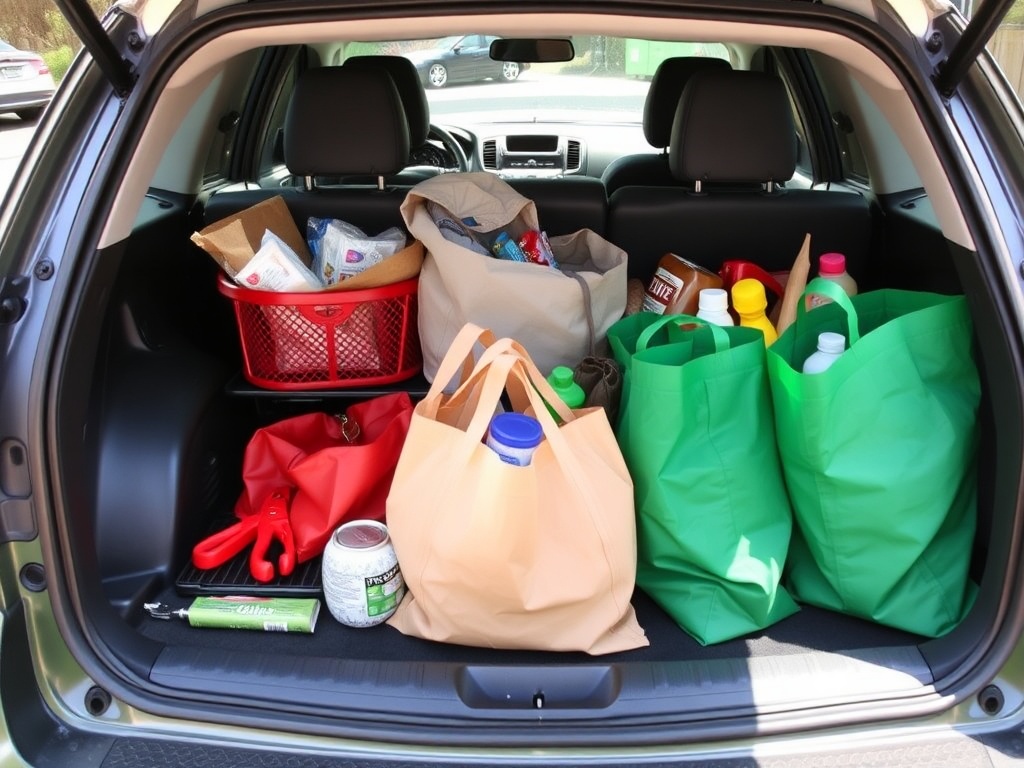
Think: groceries, hardware store, coffee stop, post office, maybe a quick check-in at a farm stand. Instead of scattering these across random days, you compress them into a rhythm.
In Metcalfe and surrounding areas, that might mean a loop that hits Greely, Osgoode, and a quick swing toward the edge of Ottawa — not because it’s far, but because it’s efficient when done together.
Once you define your loop, something interesting happens: friction disappears.

Why Most People Struggle Without Realizing It
The biggest mistake people make is treating every need as urgent and isolated.
- You run out of one item → you drive 20 minutes
- You remember something else → another trip
- You forgot one thing → third trip
That’s not rural living — that’s poor system design.
In cities, inefficiency is masked by proximity. Out here, inefficiency shows up immediately in your gas bill and your time.
A local loop fixes that by turning chaos into routine.
How to Build Your Own Loop (Without Overthinking It)
Start with reality, not perfection.
1. Map Your Core Stops
Write down the places you hit regularly: grocery store, LCBO, gas station, pharmacy, your go-to coffee spot. Don’t optimize yet — just list.
2. Group by Geography
Look at a map and cluster them. You’ll quickly see a natural path emerge. That’s your loop skeleton.
3. Assign a Day
Pick one consistent day — Saturday morning, Wednesday afternoon, whatever fits your life. Consistency is more important than timing.
4. Add One “Nice” Stop
This is the part most people skip. Add something you enjoy: a bakery, a scenic detour, a coffee. It turns errands into something you actually look forward to.
5. Keep a Running List
Instead of reacting during the week, keep a simple list on your phone. When loop day comes, you already know what needs doing.

The Unexpected Benefits No One Talks About
This habit does more than save time.
- You think less. Decision fatigue drops because you’re not constantly planning.
- You waste less fuel. Fewer random trips means fewer kilometres.
- You feel more in control. Life stops feeling reactive.
- You rediscover local spots. That extra stop becomes a ritual, not a chore.
It also quietly changes how you experience your town. You stop rushing through it and start moving with it.

Common Mistakes to Avoid
- Trying to make it perfect. Your loop will evolve — let it.
- Overpacking the route. If it feels exhausting, you added too much.
- Skipping weeks. The power is in consistency, not intensity.
- Ignoring seasonality. Winter and summer loops in Ontario are not the same — adjust accordingly.
Especially in winter, tighten your loop. Keep it practical and safe. In summer, stretch it a bit — enjoy the drive.

What This Looks Like in Real Life
A typical loop might look like this:
- Start early to avoid crowds
- Fuel up and grab essentials
- Hit the grocery store with a prepared list
- Swing by a local shop or market
- End with coffee or a short scenic pause
Total time: 90 minutes to 2 hours. Everything done. No second guessing.
Compare that to five scattered trips across a week — it’s not even close.

Why This Habit Works So Well Here
Metcalfe isn’t built for spontaneity — it’s built for rhythm.
That’s not a limitation. It’s an advantage if you lean into it.
The people who enjoy living here the most aren’t constantly chasing convenience. They create it. Quietly. Repeatedly. With small systems like this.
And once you have your loop dialed in, something clicks: life stops feeling like logistics and starts feeling… easy.
Not because there’s less to do — but because you’ve stopped fighting the structure of where you live.