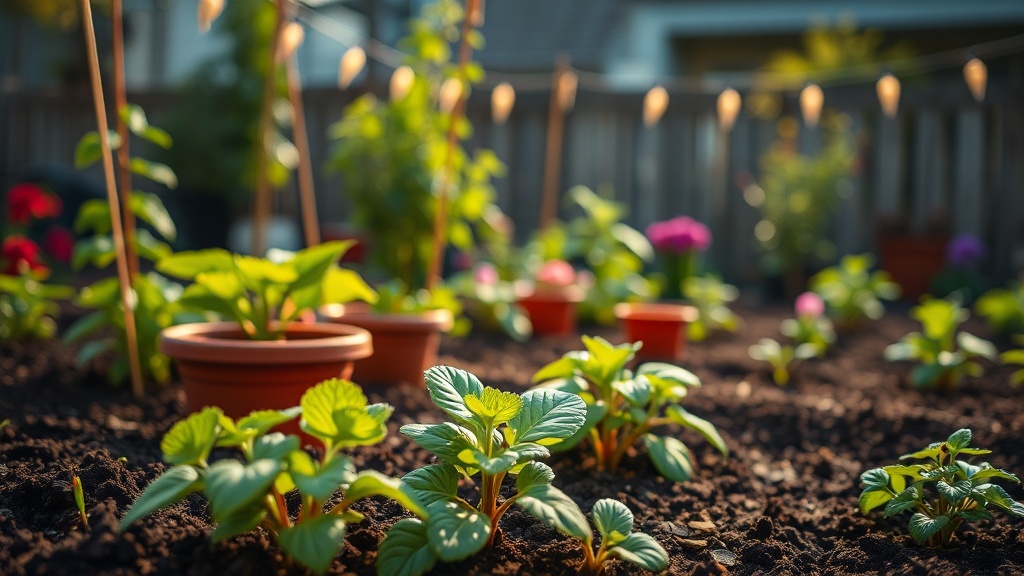
Building a Backyard Garden That Thrives in South Ottawa Soil

You'll learn how to test, amend, and manage the specific clay-heavy and rocky soils common in South Ottawa to grow a productive garden. This guide covers soil testing methods, organic amendment strategies, and the best vegetable varieties for our local hardiness zone. Success in a Metcalfe backyard depends entirely on how you handle what's beneath the surface.
What is the Best Way to Test South Ottawa Soil?
The most effective way to test your soil is to use a professional lab test or a high-quality home kit to check for pH and nutrient levels. Most of our local soil in the rural Ottawa South area tends to be heavy clay or sits on a bed of glacial till—which means it's often dense and holds moisture too well. You can't just guess what your dirt needs.
If you want to do it right, I recommend sending a sample to a university-affiliated lab. The Ontario Ministry of Agriculture, Food and Rural Affairs (OMAFRA) provides excellent resources on understanding your soil's health. A simple DIY kit from a place like Canadian Tire might tell you if your soil is acidic, but it won't tell you the specific nitrogen or phosphorus levels you're missing.
Here is a quick checklist for collecting your samples:
- Grab a clean plastic bucket (no metal containers, as they can contaminate the sample).
- Take samples from at least 5 to 10 different spots in your garden bed.
- Dig down about 6 inches—this is where the root action happens.
- Mix all the samples together in your bucket to get an average reading of your yard.
Don't just grab a handful from the surface. You need that depth to understand what your plants are actually working with once they grow.
How Much Does It Cost to Fix Garden Soil?
Budgeting for soil improvement typically ranges from $50 to $300 depending on the size of your garden and whether you're buying bulk amendments or small bags. Most of your costs will go toward organic matter like compost, peat moss, or aged manure. If you're working with a large vegetable patch in a rural area, buying in bulk is much cheaper than the little bags at the big-box stores.
| Amendment Type | Purpose | Estimated Cost (Small Scale) |
|---|---|---|
| Compost (Organic) | Adds nutrients and improves texture | $5 - $15 per bag |
| Perlite/Vermiculite | Improves drainage in clay | $10 - $20 per bag |
| Garden Lime | Raises pH in acidic soil | $15 - $30 per bag |
| Bagged Potting Mix | Starting seeds/seedlings | $8 - $12 per bag |
The real cost isn't just the money—it's the time. If you don't amend your soil before planting, you'll spend way more on replacement seedlings when your first batch dies in the heat of July. It's better to spend the money now than to start over in August.
Understanding Our Local Soil Types
In the Metcalfe and South Ottawa region, we deal with two main types of ground. First, there's the heavy, sticky clay that holds water like a sponge. This is great for holding nutrients, but it's a nightmare for drainage. If you don't fix it, your plants will drown during a wet spring. Second, there's the rocky, sandy-loam-heavy soil found in higher elevations. This drains too fast, meaning your plants will be thirsty all the time.
If you have clay, you need to add organic matter. If you have sand, you need to add organic matter. It's almost always the answer. I've seen people try to use sand to break up clay, but that often just creates a form of "concrete" in your garden beds. Stick to compost or well-rotted manure instead.
When you're out shopping, look for brands like Espoma or FoxFarm for specific organic fertilizers. They're reliable and widely available in Ontario garden centers. If you're looking for a way to make your outdoor life more manageable, checking out the one simple habit for rural living might help you manage your garden chores more effectively.
Which Vegetables Grow Best in South Ottawa?
Vegetables that thrive in our zone (mostly USDA Zone 5 or 6) include hearty greens, root vegetables, and summer squash. Because our growing season can be unpredictable—sometimes a late frost hits in late May—you'll want to focus on crops that are resilient. Example: Kale and Swiss Chard are incredibly tough and can handle the fluctuating temperatures we see in the Ottawa valley.
Here is a breakdown of what works best for our specific conditions:
- Root Crops: Carrots and beets love our soil once you've loosened it up with compost. Just ensure there are no large rocks in the way, or your carrots will grow crooked and weird.
- Leafy Greens: Lettuce, spinach, and arugula do well, but they hate the heat. Plant these in the spring or fall.
- Heavy Feeders: Tomatoes and peppers are great, but they need a lot of help. They require consistent moisture and high-quality nutrients to produce fruit in our climate.
- The "Reliables": Zucchini and cucumbers are almost foolproof in South Ottawa, provided you have enough space for them to sprawl.
One thing to watch out for is the drainage. If you're planting in a low spot in your yard, avoid anything that hates "wet feet." A tomato plant sitting in a puddle of clay-water will rot before it ever produces a single fruit. If your yard is flat and heavy, consider building raised beds. It's a bit more work upfront, but it gives you total control over the soil composition.
The Role of pH and Nutrients
Our local soil tends to be slightly acidic. While many vegetables actually like a bit of acidity, you don't want to go overboard. If your plants are looking yellow or aren't growing, you might have a pH imbalance. This is where a bit of garden lime or sulfur comes in handy. It's not a "one and done" fix—you have to keep an eye on it every year.
A common mistake is over-fertilizing with synthetic options. While it gives a quick boost, it can actually damage the long-term health of your soil. I've found that using a slow-release organic fertilizer—something like Dr. Earth Organic All Purpose—works much better for the long-term stability of the garden. It feeds the soil, not just the plant.
If you're interested in more local tips for enjoying the outdoors, take a look at my guide on exploring Metcalfe, Ontario. It's a great way to connect with the community outside of your own backyard.
Dealing with Drainage Issues
If you've ever noticed water sitting in a puddle in your yard for hours after a rainstorm, you have a drainage problem. This is extremely common in South Ottawa. To fix this, you can use a technique called "mounding" or simply build raised beds. Raised beds are a game-changer for clay-heavy areas because they allow the soil to dry out more naturally. You can even buy pre-made cedar kits or build your own with basic lumber from a local hardware store.
When building raised beds, don't just fill them with dirt from your yard. That's a recipe for failure. You'll want a mix of high-quality topsoil, compost, and perhaps some coarse sand or perlite to ensure air can reach the roots. This creates a controlled environment that bypasses the heavy clay underneath. It's a small investment that pays off in much larger harvests.
One thing to remember: even with raised beds, you still need to mulch. A layer of straw or wood chips helps keep the moisture levels consistent, which is vital during those dry, hot weeks in August when the Ottawa sun really beats down on us.
Steps
- 1
Test Your Soil Composition
- 2
Select Local Seed Varieties
- 3
Prepare Your Raised Beds or Ground Plots
- 4
Establish a Watering Schedule