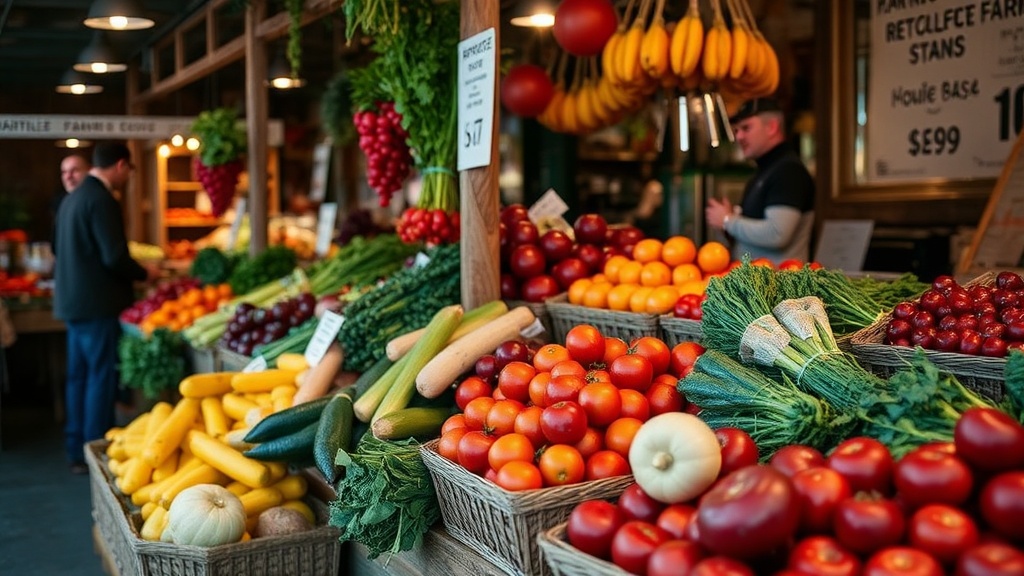
Finding the Best Seasonal Produce at Local Metcalfe Farm Stands

A wooden crate sits on the edge of a gravel driveway, overflowing with deep purple eggplants and bright green zucchini. The scent of damp earth and sun-warmed tomato vines hangs heavy in the air, marking the transition from the heat of July to the cooling breeze of late summer. This post is about how you can master the art of shopping at Metcalfe farm stands to get the freshest seasonal produce available in our corner of North Grenville.
Living in rural Ontario means we aren't stuck with the same bland, out-of-season vegetables from the grocery store. We have a massive advantage right in our backyard. If you know when to look and where to drive, you can eat better than most people living in the middle of Toronto or Ottawa.
Finding the right produce isn't just about picking up a bag of carrots; it's about timing your trips to match the local growing seasons. When you hit a farm stand at the right moment, you're getting food that was likely in the ground just a few hours prior.
What is the Best Time to Visit Farm Stands in Metcalfe?
The best time to visit is early in the morning on weekdays or right at the start of a new harvest window. Most local farmers in the Ottawa South area tend to restock their stands as soon as a crop is ready, often mid-week or on weekend mornings. If you wait until Saturday afternoon, you'll likely find empty bins or nothing but leftover bruised fruit.
There's a rhythm to the seasons here in the Rideau Valley. You have to learn it. For instance, the peak of strawberry season is a sprint, not a marathon. If you see the sign for strawberries, get there immediately because they won't last.
Here is a general timeline of what to look for in our region:
- Late May to June: Green onions, leafy greens, and early radishes.
- July to August: The heavy hitters—tomatoes, sweet corn, peppers, and cucumbers.
- September to October: Apples, pumpkins, and hardy root vegetables like potatoes and carrots.
It's worth noting that weather plays a huge role. A sudden heavy rainstorm can delay a harvest by a week. Always check the local weather or even a quick glance at a farm's social media page before you head out. It saves you a wasted trip.
If you're looking to make a day of it, checking out official agricultural guidelines for Ontario can give you a broader sense of how the provincial growing seasons work, but local intuition is your best friend.
How Much Does Local Produce Cost Compared to Grocery Stores?
Local produce prices vary based on the specific crop, but you will often find that high-demand items like heirloom tomatoes or sweet corn are priced similarly to or slightly higher than premium organic brands in a supermarket. However, the quality-to-price ratio is usually much better when you're buying direct.
Don't expect everything to be cheap. If you're looking for a bargain, you have to be strategic. During the height of the season, a bushel of apples or a large bag of corn is incredibly affordable. The real value isn't just the price—it's the flavor and the fact that it hasn't traveled 3,000 kilometers to get to your plate.
| Produce Item | Typical Farm Stand Price (Est.) | Typical Grocery Store Price (Est.) | Value Verdict |
|---|---|---|---|
| Sweet Corn (Dozen) | $4.00 - $6.00 | $5.00 - $7.00 | Winner: Farm Stand |
| Heirloom Tomatoes (lb) | $4.50 - $6.00 | $5.00 - $8.00 | Winner: Farm Stand |
| Organic Strawberries (Pint) | $5.00 - $7.00 | $6.00 - $9.00 | Tie |
| Potatoes (5lb Bag) | $5.00 | $4.50 | Winner: Grocery Store |
The "value" here is subjective. A grocery store might be cheaper for a bag of potatoes, but a farm-fresh tomato from a stand near Metcalfe will taste like nothing you've ever had in a plastic container. That's a trade-off I'm willing to make every single time.
How Do I Know if the Produce is High Quality?
You should look for vibrant color, firm texture, and a lack of bruising or soft spots. For most vegetables, weight is a great indicator of freshness—a heavy tomato usually means it's juicy and ripe, while a light one might be pithy or underripe.
When you're at a stand, don't be afraid to look closely. If you're buying greens, look for crisp edges. If you're buying berries, ensure there is no visible mold at the bottom of the container. This is a simple way to ensure you aren't wasting your money on produce that will spoil by tomorrow morning.
One thing to remember: many farm stands in the Metcalfe area operate on an honor system. You'll see a small box for cash or a sign with an instruction for electronic payments. It’s a trust-based system (and a beautiful part of our community), so always make sure you're paying fairly for what you take.
It's also helpful to understand the difference between "organic" and "locally grown." A farm might not be certified organic—which involves a lot of expensive paperwork—but they might use very traditional, low-intervention methods. Always ask the farmer if you're curious about how their crops are handled.
If you want to get better at living the local lifestyle, you might find the habit of seasonal eating to be a great starting point for your journey into local food. It changes how you view your kitchen entirely.
There are a few rules of thumb I always follow when I'm out driving around the backroads:
- Check the weight: Especially for melons and root vegetables.
- Smell the herbs: If the basil or mint doesn't have a strong scent, it's likely old.
- Look for seasonality: If you see something out of season (like asparagus in August), it probably wasn't grown nearby.
- Bring your own bags: Most stands are eco-friendly, but having your own reusable totes makes the trip easier.
The beauty of this area is the variety. One week you might be stopping at a stand for honey and eggs, and the next, you're grabbing a flat of peaches. It keeps the grocery shopping from feeling like a chore and turns it into a way to actually connect with the land we live on.
The next time you're driving through South Ottawa or near the village, keep your eyes peeled for those hand-painted signs. They are often the only warning you'll get that the best harvest of the year is sitting just five hundred meters ahead on a driveway.
Don't forget to check the status of the stand before you go. Some smaller operations are only open on certain days of the week, and there's nothing more frustrating than arriving to find a "Closed" sign during peak berry season.
It's a small way to support our neighbors and ensure that the farming heritage of Metcalfe stays alive for another generation. Plus, your dinner guests will definitely notice the difference in quality.
Steps
- 1
Identify Seasonal Windows
- 2
Follow Local Farm Social Media
- 3
Check Weekly Harvest Schedules
- 4
Support Local by Buying Direct